Our Location
Chilkana Rd, Datauli Rangad, Saharanpur, Uttar Pradesh 247001

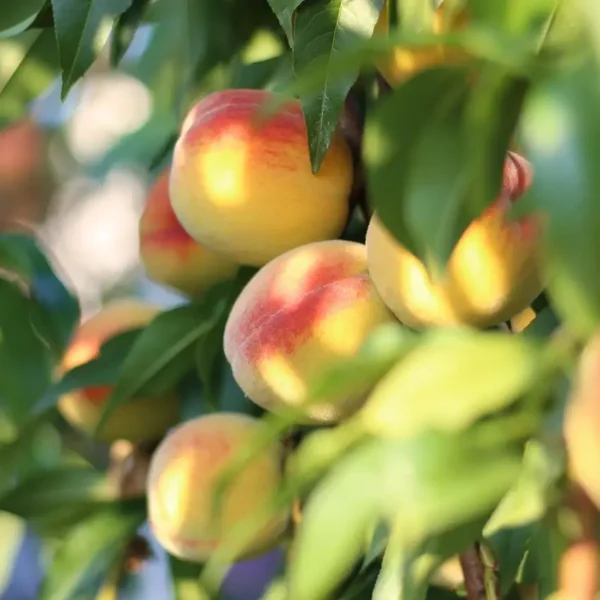
₹249.00
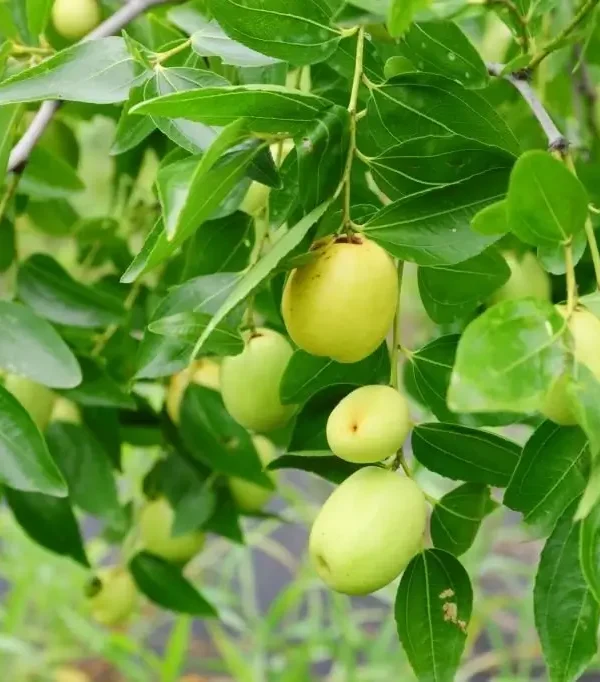
The Prabhat Peach (Saharanpur Prabhat) is a game-changer for Indian home gardeners because it loves our sun and doesn’t need freezing temperatures to fruit. At our nursery, we only sell Grafted Prabhat Peach saplings because they start giving fruits much faster than seed-grown ones—usually within 2 years!
This variety is a cross between ‘Sharbati‘ and ‘Florida Sun,’ making it tough enough to handle the Indian heat while still giving you that “melt-in-mouth” sweetness.
In my nursery, I always tell customers: if you are planting in the ground, keep a gap of at least 12-15 feet. For city dwellers, this plant does surprisingly well in large 18-24 inch pots. Just ensure the pot has a good drainage hole so water doesn’t stand.
Pro Tip: Pair this with our Grafted Shane Punjab to have a fruit-filled garden throughout the year!
Sunlight: Give it a spot with South or East exposure. It needs the morning sun to develop that beautiful pink blush on the skin.
Watering: During the flowering stage, keep the soil moist but not wet. In winter, the plant goes into “dormancy” (sleeps), so reduce watering significantly.
Soil Mix: I recommend a “Desi” mix: 50% Garden Soil + 30% Sand (for drainage) + 20% well-rotted Gobar Khad (Cow manure).
Fertilizer: Every February, feed it with a mix of Vermicompost, Neem Khali (to keep Deemak or termites away), and a spoonful of Bone Meal for strong roots.
Pruning: Cut back the inner crossing branches in January. This allows sunlight to reach the center of the tree, which prevents fungus and increases fruit size.
| Problem | Possible Cause | Solution |
|---|---|---|
| Leaf Curl/Sticky Leaves | Aphid Attack (common in spring) | Spray Neem Oil mixed with a bit of liquid soap every 15 days. |
| Fruit dropping early | Overwatering or Lack of Boron | Reduce water; use a micro-nutrient spray during flowering. |
| Termites (Deemak) | Dry soil or un-treated manure | Mix Neem Khali in the soil and keep the base clean. |
| Yellowing Leaves | Water-logging (Pich-pich soil) | Check drainage holes and stop watering until topsoil is dry. |
Expert Note: As per research from the Horticultural Experiment & Training Centre, the Prabhat variety is specifically bred to thrive in the sub-tropical plains of India.
| Sunlight | Full Sun (6-8 hours) |
|---|---|
| Watering | Moderate (Don't make it "pich-pich" or soggy) |
| Growth Difficulty | Easy to Medium |
| Main Benefit | Earliest harvest in India (April ready!) |
Call us to check availability, price, bulk orders, or get planting advice.
Call Now*Fast Delivery | Secure Packing | Expert Support
Reviews
There are no reviews yet.