Our Location
Chilkana Rd, Datauli Rangad, Saharanpur, Uttar Pradesh 247001

₹899.00
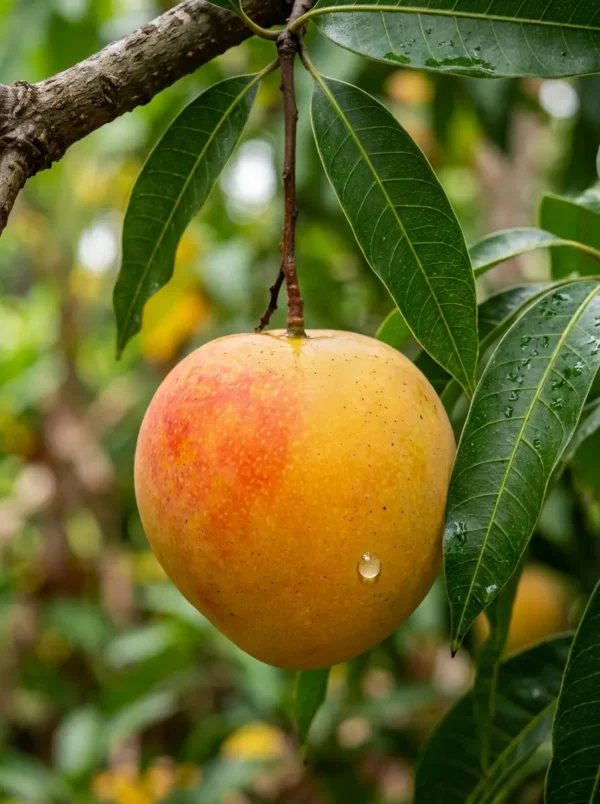
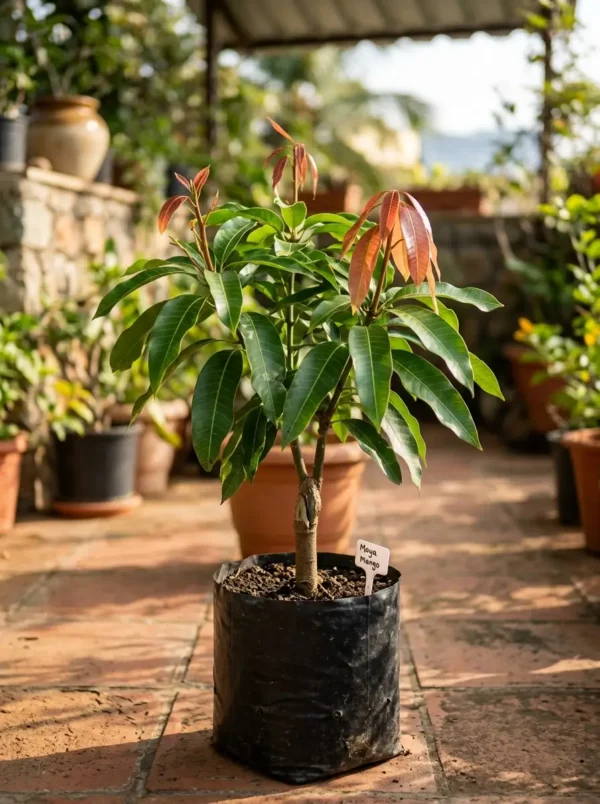
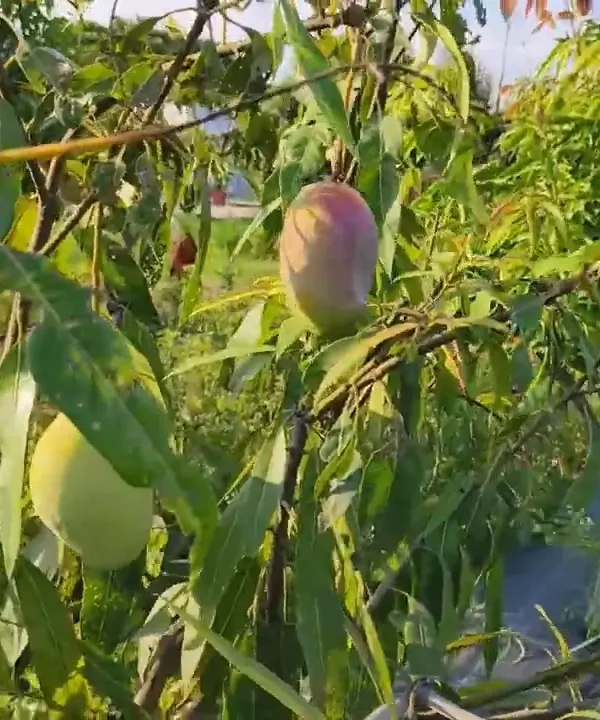
Maya mango plant brings something most home growers have never tasted — round, fiberless fruit with a honey-sweet, melt-in-the-mouth texture and a thin golden skin blushed in orange-red. Grafted and genuinely compact, it’s one of the few mango varieties that actually behaves itself in a large container.
Round. That’s the first thing you notice about a Maya mango once it sets fruit — not the usual oval shape every other mango variety follows, but a near-spherical fruit with a small “horn” poking out at the tip. The Maya mango plant isn’t a lab-bred hybrid chasing a marketing angle. It was found growing as a natural clone in an Israeli orchard back in the 1950s, and the grower who discovered it named it after his wife. Decades later, it’s still one of the most requested mangoes among growers who’ve actually tasted one — fiberless flesh, a small seed that leaves more room for pulp, and a sweetness that doesn’t need extra brix to impress anyone.
Most buyers come to us after tasting a Maya mango somewhere else and wanting to grow their own. Fair enough — it’s a fruit worth chasing. What keeps them buying, though, is the tree itself. Compact growth habit. Reliable fruit set once established. And honestly, the flavour holds up consistently year to year, which isn’t something every grafted variety can promise. A Maya mango grafted plant skips the genetic lottery that seedling mangoes put you through — you get the parent tree’s exact flavour, shape, and growth pattern, guaranteed.
Moderately compact canopy, dense foliage, long glossy green leaves that catch light well. The lateral branching tends to stay tighter than standard mango varieties, which is part of why it suits pots so well. New flushes of growth come in a coppery-red before hardening to deep green — completely normal, not a nutrient problem (a mistake first-time growers make more often than you’d think). Flower clusters appear at branch tips in late winter to early spring, and from there, fruit set takes a few weeks to confirm. Not every flower cluster turns into fruit. That’s mango biology, not a flaw in your care routine.
Full sun, full stop. A spot that gets blocked light for half the day will grow you a tree, sure — but fruiting will suffer, and that’s the whole point of buying a Maya in the first place. South or west-facing terraces work well in most Indian climates. If you’re growing in-ground, give it distance from walls and other trees so the canopy can spread without competing for light. Container growers: pick a spot you won’t need to move the pot from once it’s settled. Mango roots dislike being disturbed more than people expect.
Deep watering, not frequent shallow watering — there’s a difference, and it matters here. Let the top two to three inches of soil dry out between waterings. While fruit is developing, keep moisture consistent; as harvest approaches, ease off slightly so the sugars concentrate properly instead of diluting into watery flesh. Overwatering is, hands down, the most common way buyers lose this plant in the first year.
At least 6 to 8 hours of direct sun daily. Less than that, and you’ll get a tree that grows fine but flowers poorly. The blush colour on the fruit skin also depends heavily on sun exposure — shaded fruit tends to stay paler.
Deep, well-draining soil is non-negotiable. A potting mix heavy in coir, compost, and coarse sand works well for container growing — you want aeration as much as you want nutrients. Waterlogged roots invite fungal issues fast, and mango trees don’t recover from root rot gracefully. Mulching helps retain moisture without compacting the soil, which is worth doing once the plant’s established.
Grafted Maya plants typically start fruiting within 2 to 3 years under good care — seedling-grown mangoes can take 5 to 8 years, sometimes longer, and won’t reliably produce true Maya fruit anyway. In practice, container-grown trees tend to fruit a touch later than in-ground trees of the same age, simply because root development is more restricted. That’s normal. Don’t panic if year two doesn’t bring fruit — year three usually does.
One honest note: if you’re in a region with cold winters or frost, this isn’t the right plant for you — Maya needs warm, frost-free conditions to thrive, and no amount of care will fix a climate mismatch. See other mango plants variety.
| Specification | Detail |
|---|---|
| Botanical Name | Mangifera indica ‘Maya’ |
| Common Name | Maya Mango |
| Plant Type | Tropical fruit tree |
| Grafted or Seedling | Grafted |
| Mature Height | 8–12 ft (compact, pruning-managed) |
| Time to First Fruit | 2–3 years (grafted) |
| Container Suitability | Yes — well suited to large pots |
| Sunlight Requirement | Full sun, 6–8 hours daily |
| Watering Frequency | Deep watering; reduce as fruit nears harvest |
| Soil Type | Deep, well-draining, organic-matter rich |
| Climate Requirement | Warm, frost-free, 22°C–35°C ideal |
| Harvest Season | Late spring to early summer |
Water deeply when the top 2–3 inches of soil dry out. Keep moisture steady during fruit development, then ease off as harvest nears so the sugars concentrate properly instead of diluting.
Yes. Maya’s compact growth habit makes it one of the better mango varieties for container growing — just use deep, well-draining potting mix and a pot that won’t need frequent moving.
A grafted Maya mango plant typically fruits within 2 to 3 years under good care. Container-grown trees may take slightly longer than in-ground ones due to restricted root space.
Only if you’re frost-free and warm year-round. Maya thrives between 22°C–35°C and won’t tolerate cold winters — if your region gets frost, this isn’t the right variety for you.
Grafted plants guarantee true Maya flavour and faster fruiting (2–3 years). Seedling mangoes are genetically unpredictable and can take 5–8 years to fruit, often without the same taste.
Plants are shipped in their nursery pot with moist, secured soil to protect the root system in transit. Minor leaf drop or slight wilting after unboxing is normal — give it a shaded spot for 3–4 days before moving to full sun. Inspect the graft union on arrival; it should look healed and intact, not raw. Reach out if anything looks off within 48 hours of delivery.
Call us to check availability, price, bulk orders, or get planting advice.
Call Now*Fast Delivery | Secure Packing | Expert Support
Reviews
There are no reviews yet.