Our Location
Chilkana Rd, Datauli Rangad, Saharanpur, Uttar Pradesh 247001

₹999.00
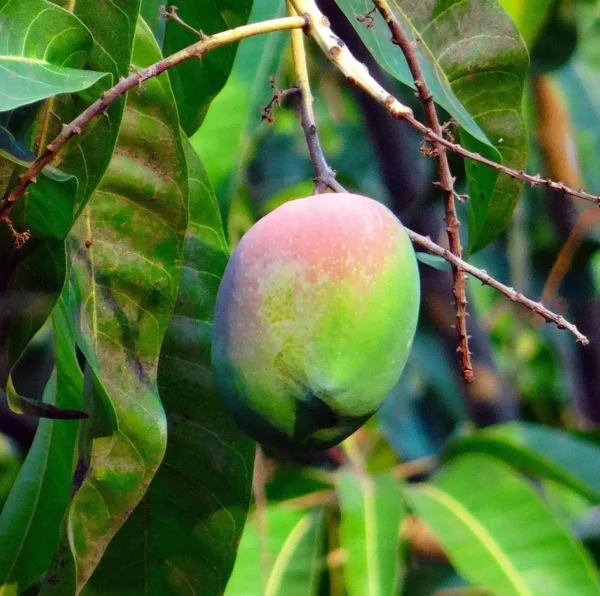
Kensington Pride mango plant — also called the Bowen mango — is Australia’s most-loved variety, known for its fibreless golden flesh, spicy-sweet flavour, and that iconic pink-red blush over yellow skin. Grafted for reliable, true-to-type fruiting, it’s a genuine piece of Aussie mango history for your own garden.
The Kensington Pride mango plant you’re looking at today carries that same lineage — it’s still Australia’s most commercially grown mango, and for home growers, it’s one of the most rewarding varieties you can plant. Bowen, Queensland, 1880s. Horse traders from India would arrive in town and hand out mangoes as gifts to prominent locals — that’s how this variety got its start, according to the most widely accepted account. A local named Harry Lott selected the best fibreless seedling from that stock and grew it on his own property, called “Kensington.” The fruit caught on fast, and within a few decades it had become the most planted mango in the entire country.
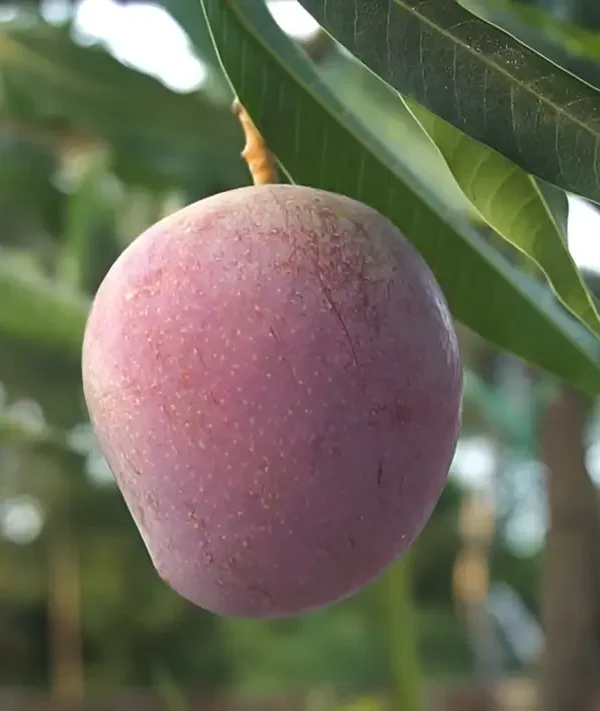
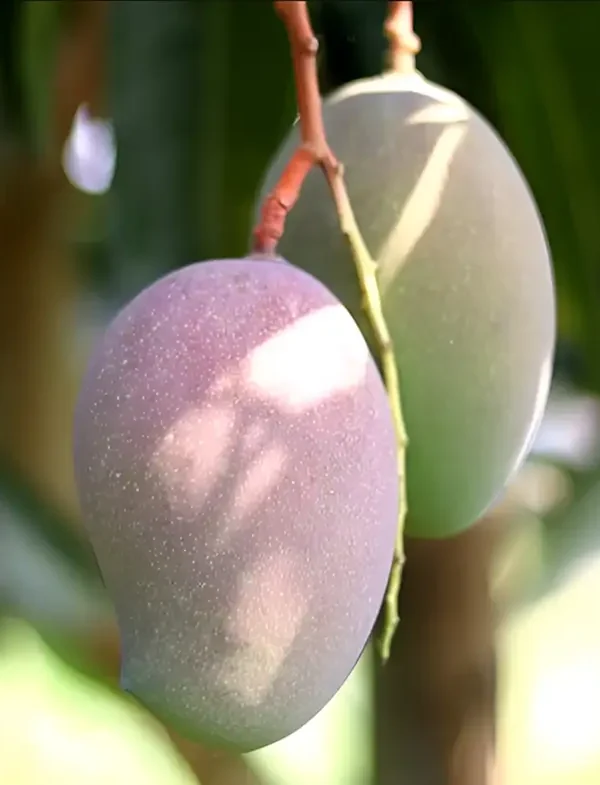
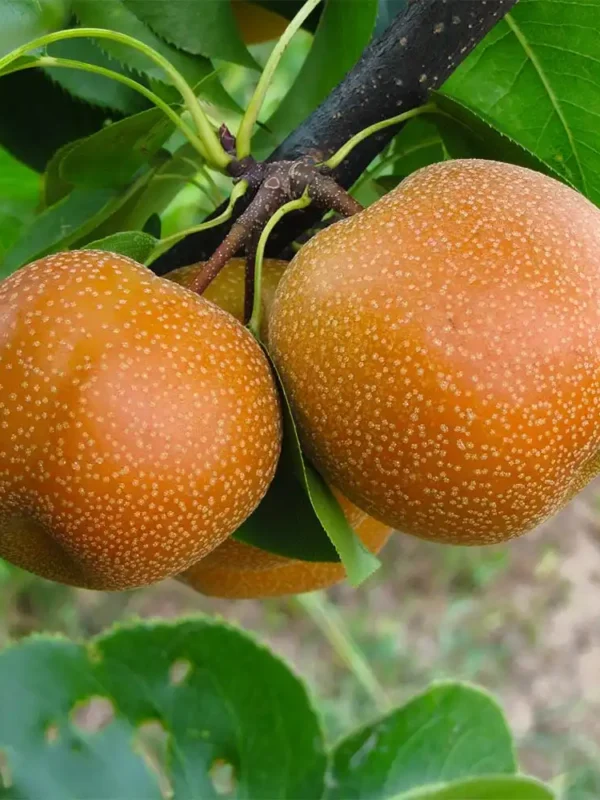
Flavour, mostly. Kensington Pride — sometimes sold as the Bowen mango plant or simply “KP” — has a spicy-sweet, dense golden flesh that’s almost completely fibreless. You’ll notice the aroma before you even cut into a ripe one; it’s stronger and more distinct than most Indian mango varieties. The skin ripens from pale green to golden yellow, often developing a pink-red blush wherever the fruit gets the most direct sun. That blush isn’t decorative — it’s a genuine sign of ripeness and sugar development, and it’s part of what makes this variety instantly recognisable.
Here’s the honest technical detail most listings skip. Kensington Pride is polyembryonic — each seed produces multiple seedlings, and one of them is a genetic clone of the parent tree. That’s unusual in the mango world, where most varieties are monoembryonic and need grafting to stay true to type. It’s why you’ll sometimes see seed-grown KP trees sold as “true to type” — though we still recommend grafted stock for predictable timing and confirmed fruit quality, since not every seedling from the batch is guaranteed to be the clone.
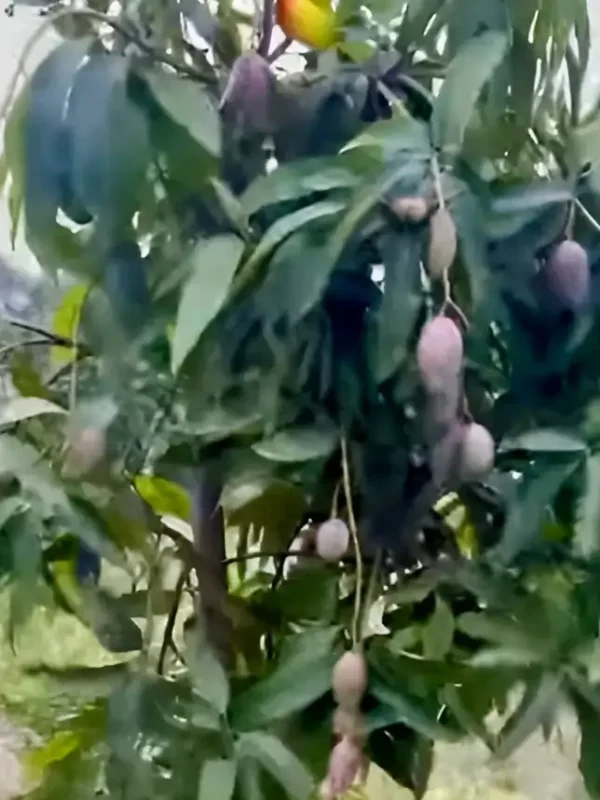
Vigorous and medium-to-large, with a spreading canopy and long, narrow dark-green leaves. Left unpruned, a mature Kensington Pride can get genuinely large — this isn’t a naturally compact variety like some newer dwarf mango cultivars. Regular pruning after harvest keeps the canopy manageable and encourages new fruiting wood for next season. In practice, container-grown Kensington Pride trees stay noticeably smaller and are easier to manage long-term, but they’ll need repotting every couple of years as the root system develops.
Full sun, and plenty of it — the blush colour and flavour intensity both depend on direct sunlight. Warm, frost-free spots work best; Kensington Pride thrives in tropical and warm subtropical climates but struggles anywhere winters dip near freezing. Give it space to spread if planting in-ground — this isn’t a variety that stays small on its own, pruning or not.
Regular watering during active growth and while fruit is developing is what actually determines fruit sweetness and size — skimp here and you’ll notice smaller, less flavourful fruit. Once established, Kensington Pride handles short dry spells reasonably well. Reduce watering once fruit nears ripening to concentrate sugars rather than dilute them.
Full sun is non-negotiable for this variety specifically, more so than for some other mango cultivars, since the signature pink blush only develops with strong direct light. Shaded fruit stays pale and, honestly, less sweet.
Well-drained soil is essential. Kensington Pride has moderate disease resistance and is genuinely susceptible to anthracnose, a fungal issue that gets worse in soil that stays wet. Good drainage, decent aeration, and organic matter worked into the potting mix or garden bed go a long way toward keeping this variety healthy.
Grafted trees generally start fruiting within 2 to 4 years. One honest limitation worth knowing upfront: this variety is known for erratic, inconsistent cropping — even mature, well-established trees can have a heavy year followed by a light one. That’s a documented trait of the cultivar, not a sign something’s wrong with your care. Don’t expect the same yield every single season.
| Specification | Detail |
|---|---|
| Botanical Name | Mangifera indica ‘Kensington Pride’ |
| Common Name | Kensington Pride / Bowen Mango / KP |
| Plant Type | Tropical fruit tree |
| Grafted or Seedling | Grafted |
| Mature Height | Medium to large, spreading canopy (3–7m unpruned) |
| Time to First Fruit | 2–4 years (grafted) |
| Container Suitability | Yes, with regular pruning and repotting |
| Sunlight Requirement | Full sun, essential for blush and sweetness |
| Watering Frequency | Regular during growth and fruiting; reduce near ripening |
| Soil Type | Well-drained, organic-matter rich |
| Climate Requirement | Warm, frost-free, tropical/subtropical |
| Harvest Season | Late spring to summer (region-dependent) |
Plants ship in secure, ventilated packaging with moist soil to protect the root system in transit. Some leaf drop or mild wilting on arrival is normal — keep the plant in partial shade for 2–3 days before full sun exposure. Check the graft union on arrival; it should look healed, not raw. Contact us within 48 hours if anything looks damaged.
FAQs
Water regularly during active growth and fruit development — this directly affects fruit size and sweetness. Reduce watering as fruit nears ripening. Once established, the tree tolerates short dry spells reasonably well.
Yes, though it naturally wants to grow large. Regular pruning and periodic repotting keep container-grown trees manageable. Full sun and well-drained potting mix are essential for good fruiting.
Grafted trees typically fruit within 2 to 4 years, compared to 6 to 8 years for seed-grown trees. Note that yields can vary year to year — this variety is known for erratic cropping.
Grafted trees guarantee true-to-type fruit and faster fruiting. Kensington Pride’s polyembryonic seed means seedlings can also come true to type, but grafted stock remains more reliable and predictable.
Underestimating its mature size and expecting consistent yearly yields. Kensington Pride grows into a large, spreading tree and is genuinely known for inconsistent, erratic cropping — even healthy, well-cared-for trees vary season to season.
Call us to check availability, price, bulk orders, or get planting advice.
Call Now*Fast Delivery | Secure Packing | Expert Support
Reviews
There are no reviews yet.