Our Location
Chilkana Rd, Datauli Rangad, Saharanpur, Uttar Pradesh 247001

₹349.00
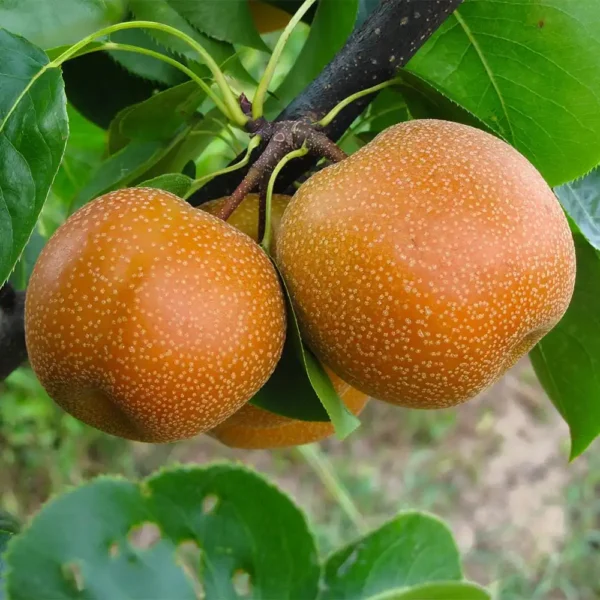
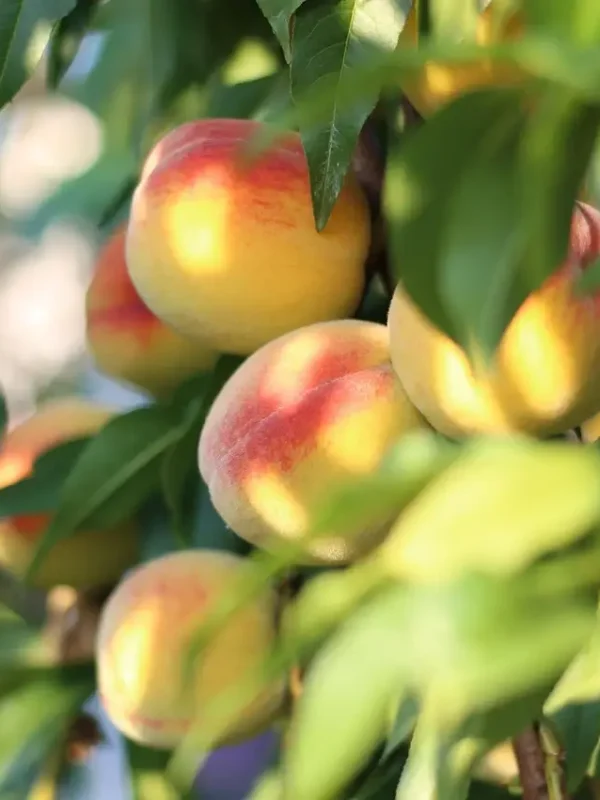
The Nijisseiki Pear (also called the 20th Century Asian Pear or Nashpati Japani) is one of the most loved pear varieties in the world — and it is finally available for Indian home gardens. Unlike the soft Babbu Gosha or the grainy Patharnakh, this pear stays firm and crunchy even when fully ripe. You bite into it like a fresh apple, but the taste is all pear — sweet, mild, and full of juice.
This is a grafted sapling of Pyrus pyrifolia ‘Nijisseiki’, grown and quality-checked at Habib Farming. We supply 1–2 year old plants that are ready for your home garden, terrace, or small orchard.
| Property | Details |
|---|---|
| Botanical Name | Pyrus pyrifolia ‘Nijisseiki’ |
| Common Names | 20th Century Pear, Asian Pear, Japanese Pear, Nashpati Japani |
| Plant Type | Deciduous fruit tree (loses leaves in winter, new growth in spring) |
| Fruit Shape & Colour | Round, apple-shaped; smooth yellowish-green skin when ripe |
| Fruit Texture | Crisp and crunchy — does not soften like a regular pear |
| Taste | Mildly sweet with a refreshing, light pear flavour (13° Brix sugar level) |
| Fruiting Time (India) | August–September |
| Time to First Fruit | 2–3 years from a grafted sapling |
| Mature Tree Height | 10–15 feet (can be pruned smaller for pots and terraces) |
| Chill Hours Needed | 300–400 hours below 7°C — suitable for North India winters |
| Pollination | Partially self-fertile; planting two varieties gives a bigger crop |
| Best Suited For | North India plains and hills — UP, Uttarakhand, Himachal Pradesh, Punjab, J&K |
| Sapling Age (We Supply) | 1–2 year old grafted sapling |
| Pot or Ground | Both — use a 20–24 inch pot for terrace gardens |
Most pears you find in Indian markets go soft and mushy within a day or two of ripening. The Nijisseiki is not like that. It stays firm and crisp, even after a week on the kitchen counter. The flesh is white, juicy, and fine-grained — not gritty like the Patharnakh. It snaps when you bite into it, the way a good apple does.
This variety is also called the “20th Century Pear” in Japan, where it was first cultivated. It became famous because of its reliable sweetness, its clean round shape, and how well it stores after picking. In Indian conditions, gardeners love it because:
You may also like: Red King Guava Plant.
This tree needs full sun — at least 6–8 hours of direct sunlight per day. A spot that faces east or gets morning sun works well. In May and June, if you see the leaf edges turning brown, shift a potted plant to filtered light or use a green shade net for a few hours in the afternoon. A ground-planted tree does not need this — the roots can handle the heat if the soil has good moisture.
Water deeply and consistently. The roots need steady moisture, especially when the tree is fruiting in summer. Dry soil at fruiting time causes small, poor-quality fruit.
The Nijisseiki pear grows best in well-drained, slightly acidic to neutral soil (pH 6.0–7.5). Waterlogging kills roots fast, so drainage is more important than richness. A good mix for Indian conditions:
If the soil in your area is heavy clay or turns into a hard block after rain, mix in extra sand and raise the planting bed slightly above ground level.
Feed the tree regularly during its active growing season (February to September). In winter, skip feeding — the tree is resting.
| Month | What to Apply | Why |
|---|---|---|
| February | 1 handful Neem Khali + 1 tsp Bone Meal | Wakes the tree up, protects roots from soil pests |
| March–April (flowering) | Potassium-rich feed (banana peel compost or 0-0-50 fertiliser, small dose) | Supports flower set and early fruit development |
| May–June (fruit growing) | 1 cup vermicompost tea or liquid seaweed feed | Helps fruits grow bigger and juicier |
| July (pre-harvest) | Stop heavy feeding — light watering only | Concentrates sugar in the fruit |
| October (after harvest) | 1 handful Neem Khali around the base | Protects roots during winter, prevents fungal build-up |
Prune your Nijisseiki pear once a year, in January or early February, while it is still dormant. Remove dead, crossing, or inward-growing branches. A light, open shape lets sunlight reach all the branches and improves fruit quality. Do not prune during the growing season. Use clean, sharp secateurs and cut at a slight angle just above a bud.
The Nijisseiki pear is partially self-fertile, which means it can produce some fruit on its own. But if you plant a second Asian pear variety nearby — such as Shinseiki, Hosui, or any other pear that blooms around the same time — you will get a significantly larger and better crop. If you only have space for one tree, it will still fruit, but cross-pollination always helps.
| Problem | Likely Cause | Solution |
|---|---|---|
| Fruit is small and tasteless | Too many fruits on one branch | Thin the fruits in April–May. Remove every second or third small fruit by hand so the remaining ones get bigger |
| Leaves falling in winter | Normal dormancy — not a disease | Do nothing. New leaves will come back in February–March. Continue light watering during this period |
| Ants climbing the trunk | Aphids or mealybugs on new growth — ants feed on their secretion | Spray a mix of water + a few drops of Neem oil on the affected leaves in the morning. Repeat weekly for 3 weeks |
| Brown edges on leaves in summer | Too much afternoon sun or underwatering | Move potted plants to morning sun only. Water more deeply. A 2-inch layer of mulch around the base of a ground tree helps retain moisture |
| No flowers or fruit after 3 years | Insufficient winter chill hours or root-bound pot | Check that the tree gets real winter cold (below 7°C at night for 4–6 weeks). If in a pot, move to a larger container (20–24 inches) |
| Fruit falling before ripening | Irregular watering or potassium deficiency | Keep watering consistent in May and June. Add banana peel compost or a small dose of potash fertiliser in March |
This is not just a beautiful tree — the fruit is genuinely good for you. Here is what you get from a medium-sized Nijisseiki pear:
Yes — but it grows best in North India, where winters are cold enough to provide 300–400 chill hours below 7°C. States like Uttar Pradesh, Punjab, Uttarakhand, Himachal Pradesh, and Jammu & Kashmir are ideal. In plains like Saharanpur, Meerut, or Lucknow, it grows and fruits well. Very hot tropical climates without a real winter (like coastal South India) are not suitable.
The Nijisseiki is partially self-fertile, so one tree can give fruit. But if you plant a second pear variety nearby that flowers around the same time, the fruit set will be much better — more fruit per branch, and bigger fruit. Hosui or Shinseiki work well as pollinators.
A grafted sapling from us should give your first fruits within 2–3 years. Seedling-grown trees take much longer (5–7 years), which is why we only supply grafted plants.
Yes. Use a pot of at least 20–24 inches in diameter. Make sure it has drainage holes at the bottom. The tree will stay smaller in a pot, which is actually easier to manage. Prune it lightly each winter to keep a good shape.
Unlike soft pears, you do not wait for it to go soft. The Nijisseiki is ready when the skin turns a clear yellowish-green and the fruit pulls off the branch with a light twist. It will already feel firm. You can eat it straight away or store it in the fridge where it keeps for 4–6 weeks.
Yes, same variety. Premium Nijisseiki pears from Japan’s Tottori region are known for a sugar level of 13 Brix or more and are sold in padded mesh bags. The trees we supply grow the same Pyrus pyrifolia ‘Nijisseiki’ variety, grafted onto suitable rootstock for Indian growing conditions.
For bulk orders, nursery pricing, or growing advice before buying, contact us directly on WhatsApp. We are happy to help you choose the right plants for your space and climate.
Call us to check availability, price, bulk orders, or get planting advice.
Call Now*Fast Delivery | Secure Packing | Expert Support
Reviews
There are no reviews yet.