Our Location
Chilkana Rd, Datauli Rangad, Saharanpur, Uttar Pradesh 247001

₹699.00
Sindhu Mango Plant is one of the few grafted varieties that genuinely works in a large pot on a terrace — compact enough to manage, productive enough to matter. Developed by crossing Alphonso and Neelam (Hybrid), it ripens earlier than most popular varieties and delivers smooth, fibreless, honey-sweet flesh that makes it worth the wait every season.
Fibreless. That one word separates Sindhu from most other mango varieties available in India. While dozens of grafted mango plants for home gardens promise sweetness and productivity, very few deliver flesh that is genuinely smooth — no stringy threads, no fibrous texture pulling apart when you eat it. The Sindhu Mango Plant does. That quality comes directly from its parentage: a deliberate cross between Alphonso and Neelam, developed by Konkan Krishi Vidyapeeth in Maharashtra with exactly this result in mind.
It ripens early too — usually May to June, which means fruit arrives two to three weeks before Alphonso trees in most regions. For a home grower, that timing matters more than it sounds. You’re not competing with peak market supply. You’re eating fresh mangoes from your own tree while most other varieties are still sizing up.
Early season. Fibreless. Honey-sweet. Those three things together are what make this variety genuinely worth growing.
One honest note before going further. Sindhu is a tropical variety and it needs warmth to perform well — minimum 6–8 hours of direct sunlight daily and temperatures that don’t fall below 10°C. If your winters are cold or your outdoor space gets limited sun for several months, this plant will survive but it won’t fruit reliably. That’s worth knowing before you order.
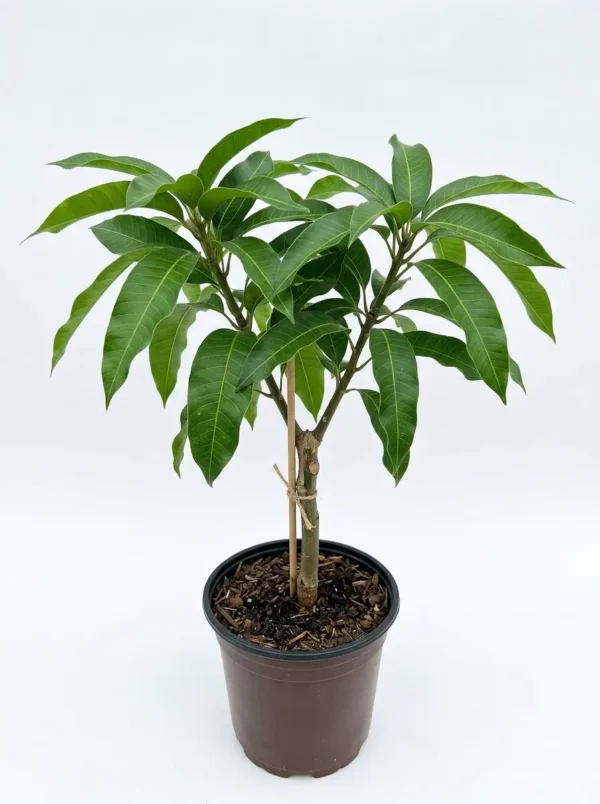
Young Sindhu plants arrive with a visible graft union near the base — that joint between rootstock and scion is what guarantees varietal characteristics and faster fruiting compared to a seedling-grown tree. Worth inspecting when the plant arrives.
A clean, well-healed graft union is a good sign. A loose or cracked one needs attention before the plant goes into its permanent pot.
The canopy develops with moderate lateral branching — not as spreading as some larger varieties, which is precisely what makes it manageable in containers and compact outdoor spaces. Leaves are a deep glossy green, lance-shaped, with new flushes appearing copper-bronze before maturing. That new growth flush is healthy and normal — not a sign of stress.
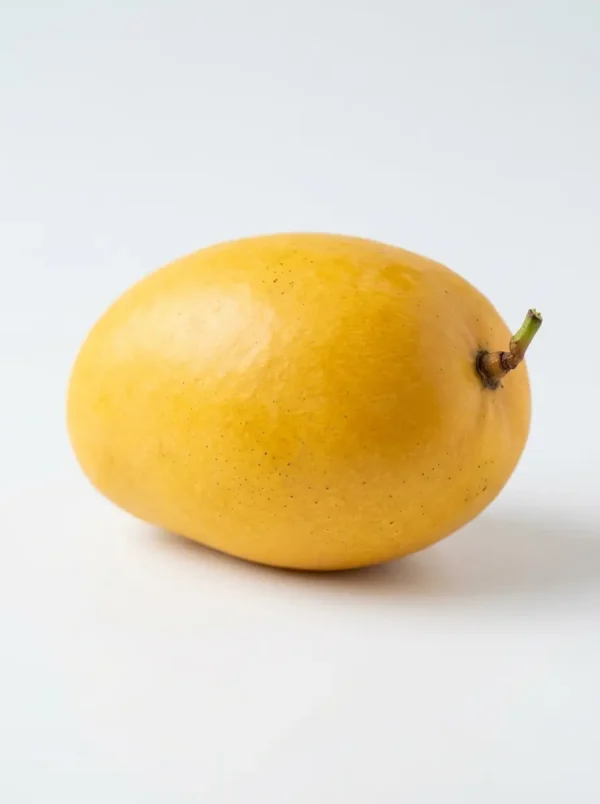
Mature fruit develops a distinctive golden-yellow skin with occasional orange blushing as ripeness progresses. Medium-sized. Oval in shape. The skin stays relatively thin compared to commercial varieties bred for long-distance transport, which is another reason the eating quality is noticeably better when the fruit comes straight from your own tree.
At full maturity, without pruning, Sindhu can reach 8–12 feet. In a container with regular pruning, most home growers keep it between 5–7 feet — manageable for a terrace or a large balcony with decent sun exposure.
Full sun is non-negotiable for this variety. A south-facing or west-facing terrace or balcony that receives unobstructed sunlight for at least 6 hours daily is the ideal setting. Partial shade slows growth noticeably and reduces fruit set (and most buyers only discover this after the first season produces nothing, which is avoidable).
If you’re growing in a pot, place it where it won’t be moved frequently. Mango roots dislike repeated disturbance once established, and constantly shifting the container to chase sunlight does more harm than the extra light helps.
Ground planting in a home garden gives the plant more room to develop its root system—and in warm climates, ground-planted Sindhu trees tend to fruit more reliably and more heavily than container-grown ones. If you have the space, that’s the better long-term option. If you don’t, a large container managed well still produces worthwhile results.
Avoid placing near air conditioning units, covered overhangs that block rain, or any area with poor air circulation. Stagnant humid air around the canopy increases fungal risk, particularly during flowering season.
For related growing guidance, explore our range of grafted fruit plants and compatible container growing mix formulated for tropical fruit trees.
Looking to pair other popular variety, see our Red Japanese Miyazaki Mango Plant Grafted.
Sindhu is forgiving compared to some fruit varieties—but forgiving doesn’t mean low-maintenance. It still needs consistent care during the first two years to build the root system and canopy that eventually supports fruiting. Get the basics right early and the plant largely takes care of itself from year three onward.
Overwatering kills more mango plants than underwatering. That’s not an exaggeration—it’s the single most common mistake first-time growers make, and Sindhu is no exception to this pattern.
During summer and active growing months, water deeply once every 4–5 days. The goal is to wet the root zone thoroughly and then allow the top 2–3 inches of soil to dry out before watering again. In winter, reduce frequency significantly—once every 10–12 days is usually sufficient depending on your climate. If the pot feels heavy, skip the watering and check again two days later.
Container-grown plants need more attention here than ground-planted ones. Pots dry out faster in summer heat and retain moisture longer in cooler months—and that second condition is where most container growers accidentally cause root rot without realising it. Always ensure the pot has drainage holes that are actually clear and functional. A blocked drainage hole is as dangerous as no drainage hole at all.
Six hours minimum. Eight is better. Direct, unobstructed sunlight—not bright indirect light, not filtered through a shade net unless temperatures are extreme. Sindhu is a tropical fruit tree and it behaves like one. Low light produces lush green leaves and zero fruit. Most buyers who report disappointing first seasons are growing in spots that get four hours of good sun and four hours of partial shade—that split doesn’t work for reliable fruiting.
During peak Indian summers when temperatures cross 42–45°C for extended periods, some temporary afternoon shade can prevent leaf scorch on young plants. This is the exception, not the rule. Once established, mature Sindhu trees handle intense heat well.
Well-draining loamy or sandy loam soil with a pH between 5.5 and 7.0. Rich in organic matter but never dense or compacted—roots need to breathe as much as they need nutrients. A standard nursery potting mix alone is rarely ideal for long-term container fruit growing. Mix in coarse sand or perlite for drainage, and add compost or vermicompost for nutrition.
Repot every 2–3 years into a slightly larger container as the root system develops. When roots start appearing from drainage holes or circling visibly at the soil surface, the plant is telling you it needs more space. Don’t ignore that signal—a root-bound Sindhu will stop fruiting before it shows obvious above-ground stress.
Fertilise with a balanced NPK during the vegetative growth phase, then shift to a phosphorus and potassium-heavy feed during pre-flowering. Foliar feeding with micronutrients—particularly zinc and boron—improves fruit set noticeably in container-grown trees.
Grafted Sindhu plants typically begin flowering in their second or third year under good growing conditions. First flowering doesn’t always mean first fruit—it’s worth pinching off the first flower spike on very young plants to redirect energy into canopy and root development. Counterintuitive, but most experienced growers recommend it.
By year three to four, a well-managed container plant can produce 8–15 mangoes per season depending on pot size, sunlight consistency, and whether the flowering season coincides with warm dry weather. Ground-planted trees in ideal conditions can produce significantly more.
Expect a slow first year. The plant is establishing its root system, not its canopy. Visible top growth may be minimal—that’s normal and not a sign of poor health. In practice, the years that seem slow above ground are the years that determine how well the tree fruits later. Patience here pays off in a way that pushing growth with excess fertiliser rarely does.
Sindhu follows a seasonal rhythm. Active vegetative growth happens post-monsoon and in early spring. Flowering typically occurs between December and February in most Indian climates. Fruit development runs through March to May, with harvest arriving May to July. Understanding this cycle helps you time fertiliser applications, pruning, and watering adjustments correctly through the year.
If your outdoor space receives fewer than 5 hours of direct sunlight daily, or if your winters regularly drop below 10°C, this variety will struggle to fruit reliably. A different variety better suited to your specific conditions would be the more honest recommendation in that case.
| Specification | Details |
|---|---|
| Botanical Name | Mangifera indica ‘Sindhu’ |
| Common Name | Sindhu Mango, Sindhu Aam |
| Plant Type | Fruit Tree — Outdoor |
| Grafted or Seedling | Grafted |
| Mature Height | 8–12 feet (5–7 feet manageable in containers with regular pruning) |
| Time to First Fruit | 2–3 years from grafted plant under good growing conditions |
| Container Suitability | Yes — minimum |
Water deeply once every 4–5 days during summer, allowing the top 2 inches of soil to dry before the next soak. In winter, reduce this significantly. Always ensure the pot drains freely; standing water is fatal.
Yes, Sindhu is one of the few varieties that thrives in containers. Use a 20–25 litre pot with excellent drainage. It responds well to pruning, which keeps it manageable for terrace or balcony environments.
As a grafted variety, Sindhu typically begins flowering within 2–3 years. It’s an early-season producer, often fruiting 2–3 weeks before Alphonso mangoes, giving you a head start on the mango season.
Grafted plants carry the exact genetic traits of the parent tree, ensuring consistent fruit quality and faster fruiting. Seedling trees vary wildly and can take 7–10 years to fruit — they are rarely recommended for home orchards.
The most common mistake is overwatering in winter or poor sunlight exposure. Mangoes are tropical fruit trees — they need at least 6 hours of intense, direct sunlight to produce sugar in the fruit.
Your mango plant is shipped in specialized, moisture-retaining packaging to ensure the root ball remains healthy during transit. Upon arrival, keep the plant in a shaded area for 48 hours to acclimatise before moving it to its permanent, sunny location. Some leaf drop due to shipping stress is normal and temporary.
Call us to check availability, price, bulk orders, or get planting advice.
Call Now*Fast Delivery | Secure Packing | Expert Support

Reviews
There are no reviews yet.