Our Location
Chilkana Rd, Datauli Rangad, Saharanpur, Uttar Pradesh 247001

₹999.00
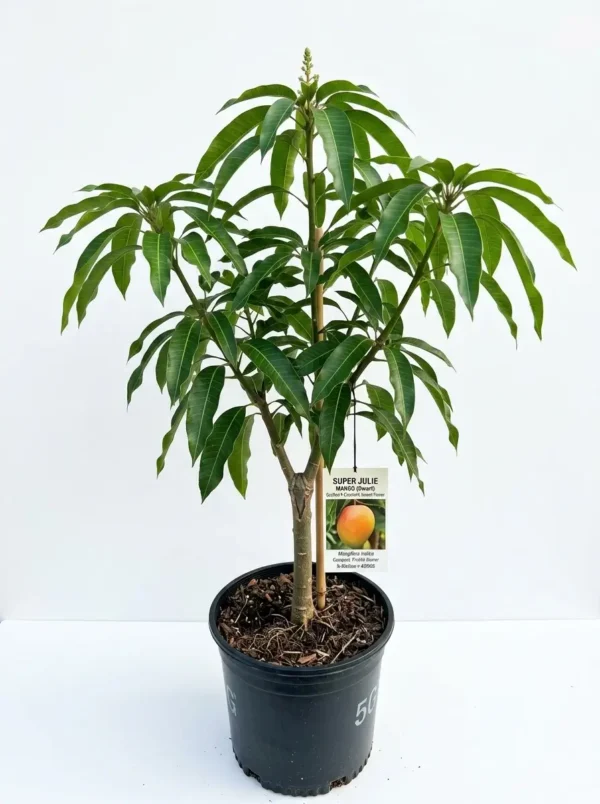
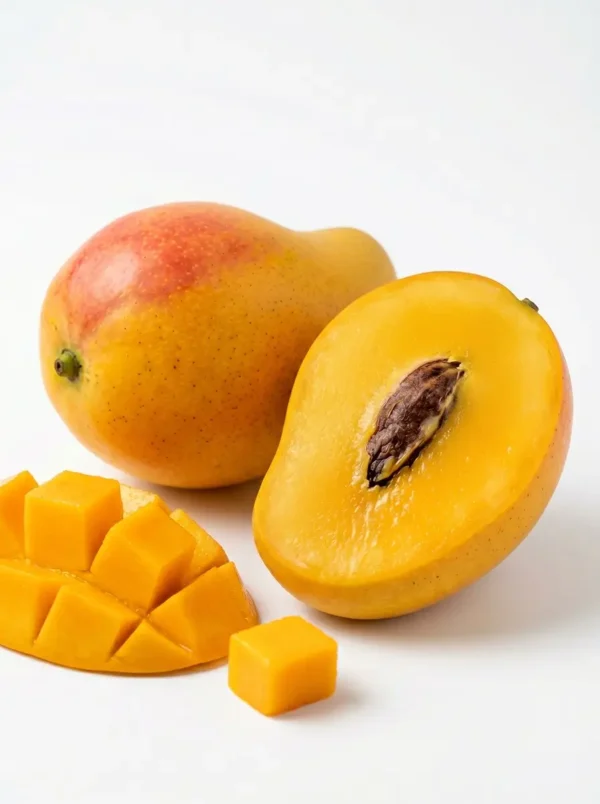
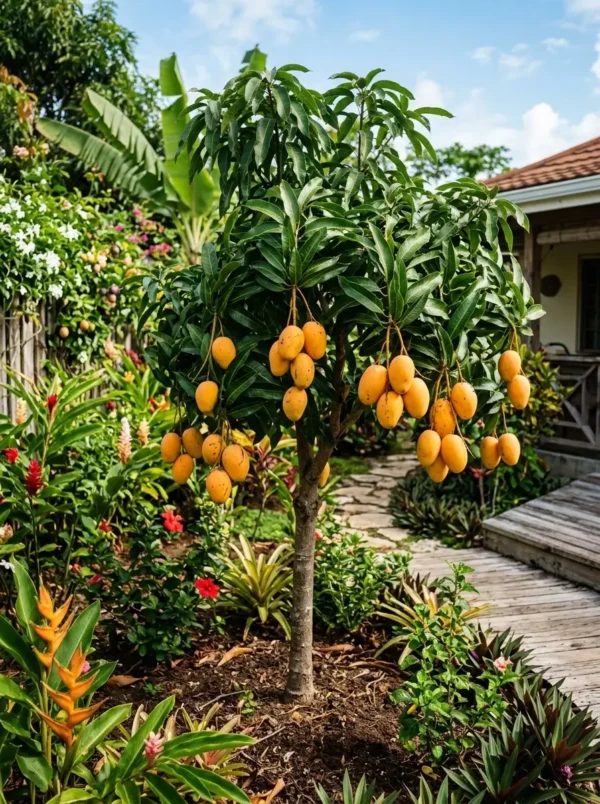
The Super Julie Mango Plant is one of those variety that surprises people. It stays compact, fruits early — sometimes even in a large pot — and produces medium-sized, intensely sweet mangoes with creamy, fiberless flesh. Grafted trees are ready to fruit far sooner than seedlings. If you’ve been wanting a mango tree but assumed you didn’t have enough space, this variety is worth a proper look.
Most mango trees are not small. They spread wide, grow tall, and take years before they give you any fruit. The Super Julie Mango plant is different.
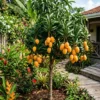
It’s a compact, grafted variety that works in containers, on terraces, and in smaller home gardens where a standard mango tree would simply be too large. The fruit it produces — sweet, rich, and smooth — is the kind most people associate with premium mango varieties. And because it’s grafted, you’re not waiting five or six years for results.
This is not a novelty plant. It’s a productive, practical fruit tree for home growers who want real harvests without dedicating a large plot of land.
There are several grafted mango varieties available. Here’s what sets this one apart:
Super Julie is an evergreen fruit tree with dense, dark green foliage. The leaves are lance-shaped and glossy, giving the tree a healthy, full appearance even when it’s not in fruit.
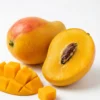
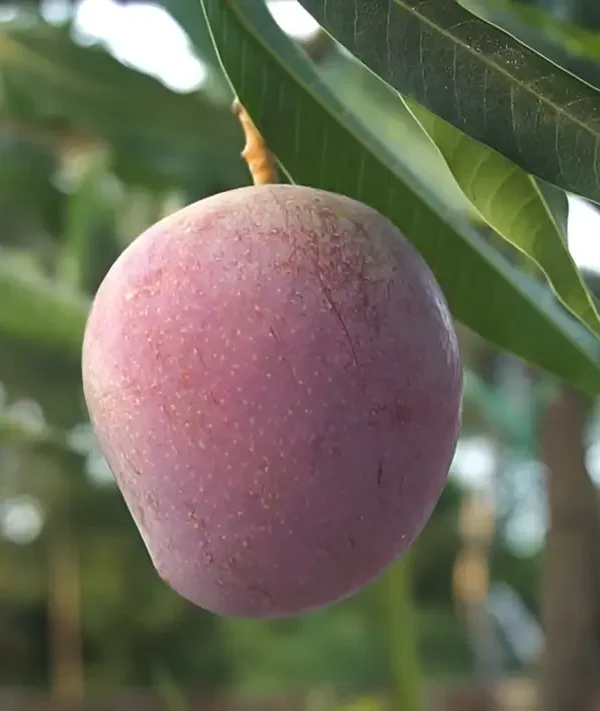
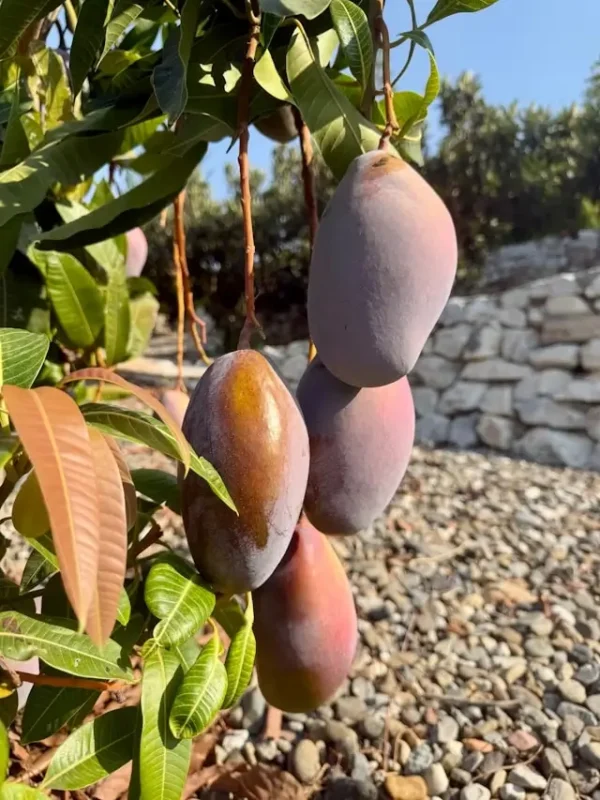
The fruits are medium-sized — typically 450–700 grams each — with a smooth yellow skin that often develops a reddish blush as it ripens. Inside, the flesh is deep orange, thick, and entirely fiberless.
In its growth habit, Super Julie is more vigorous than the original Julie variety, but it’s still one of the more compact options available to home growers. Mature trees reach 3.5 to 4.5 metres but respond well to pruning if you need to keep them shorter.
If you’re building a diverse home fruit garden, you may also like our Osteen Mango Plant, known for its excellent fruit quality and attractive appearance.
This plant needs sunlight. Full sun — at least six hours of direct sun daily — is not optional for good fruiting. A spot that gets morning sun and afternoon warmth is ideal.
Here’s where it works well:
Water the plant deeply but infrequently. The goal is to keep the soil consistently moist — not wet, never soggy.
For established trees in the ground, water every 3–5 days in summer and reduce to once a week or less in cooler months. Container-grown trees dry out faster, so check the top 5 cm of soil. If it’s dry, water thoroughly until it drains from the bottom.
One of the most common mistakes buyers make: overwatering. Yellowing leaves and soft, mushy roots are signs of too much water, not too little. When in doubt, water less.
During the flowering and fruiting period (typically February to June in most of India), consistent watering supports better fruit set. Reduce watering as fruits approach ripeness.
Super Julie is a tropical fruit tree and needs full sun. Six hours minimum, eight or more hours is better.
Insufficient light leads to poor flowering, dropped fruits, and generally weak growth. If your terrace or garden only gets partial sun, this tree may disappoint. Honest advice: check your space before you order.
Use well-draining soil. This is more important than most buyers realise.
For container planting, a mix of garden soil, coarse sand, and organic compost in a 2:1:1 ratio works well. Avoid compact, clay-heavy soils that retain water. Good drainage prevents root rot, which is the most common cause of failure in container mango trees.
For in-ground planting, amend heavy soils with sand and compost before planting. Slightly acidic to neutral pH (6.0–7.0) gives the best results.
Grafted Super Julie trees typically begin flowering in their second or third year. Under good care — full sun, correct watering, proper soil — you can expect the first proper harvest around year two to three.
Annual growth rate is moderate. The tree is not slow, but it’s not a fast-growing timber tree either. In containers, growth is naturally more restrained, which keeps the tree manageable.
Harvest season runs from late June through July in most growing regions of India. The fruits ripen over a few weeks — not all at once — which gives you a useful spread of fresh fruit rather than everything dropping simultaneously.
This plant is not ideal for deeply shaded spaces, very cold climates (below 10°C regularly), or indoor growing. It needs outdoor conditions to fruit.
| Care Factor | Requirement |
|---|---|
| Sunlight | Full sun — minimum 6 hours direct sunlight daily |
| Watering | Every 3–5 days in summer; reduce in cooler months |
| Soil Type | Well-draining; loamy or sandy-loam with organic matter |
| Soil pH | 6.0–7.0 (slightly acidic to neutral) |
| Fertiliser | Balanced NPK during active growth; potassium-rich feed near fruiting |
| Pruning | Light pruning after harvest to maintain shape and size |
| Repotting | Every 2–3 years or when roots become root-bound |
| Disease Resistance | Good — improved resistance to anthracnose compared to standard Julie |
| Harvest Season | Late June through July |
| Container Suitable | Yes — use 18–24 inch containers or larger |
The plant is carefully packed to prevent damage during transit. The pot is secured, the foliage is protected, and the root zone is kept moist. We ship in sturdy boxes designed for live plant transport.
A Note on Plant Health
All plants are inspected before dispatch. We send healthy, well-rooted specimens. That said, mango plants are living things and some adjustment after transit is normal.
If you receive a plant that appears severely damaged or dead on arrival, contact us within 24 hours with photographs. We deal with concerns honestly and promptly.
Questions before you order? We’re happy to help you choose the right plant for your space. Just ask.
Note: Images are for representation purposes only. Actual plant size, shape, and foliage may vary depending on season and growth stage.
Most grafted trees begin to flower in their second year and produce a full fruit set by year two or three. This depends on sunlight, watering, and how well the plant establishes after transplanting. Seedling-grown trees take much longer — often six or more years — which is one of the key reasons to buy grafted.
Yes, and it does well in large containers. Use an 18–24 inch pot or larger with drainage holes. The key requirement is full sun — the container needs to sit in a spot that gets at least six hours of direct sunlight daily. Container plants need slightly more frequent watering than in-ground trees, but otherwise the care is the same.
Super Julie was developed from the original Julie variety with the goal of producing larger fruit and better disease resistance. The original Julie is naturally dwarf; Super Julie is more vigorous. Flavour-wise, both are sweet and rich, but Super Julie generally produces bigger fruits and handles humid conditions better due to its improved anthracnose resistance.
Call us to check availability, price, bulk orders, or get planting advice.
Call Now*Fast Delivery | Secure Packing | Expert Support
Reviews
There are no reviews yet.