Our Location
Chilkana Rd, Datauli Rangad, Saharanpur, Uttar Pradesh 247001

₹699.00
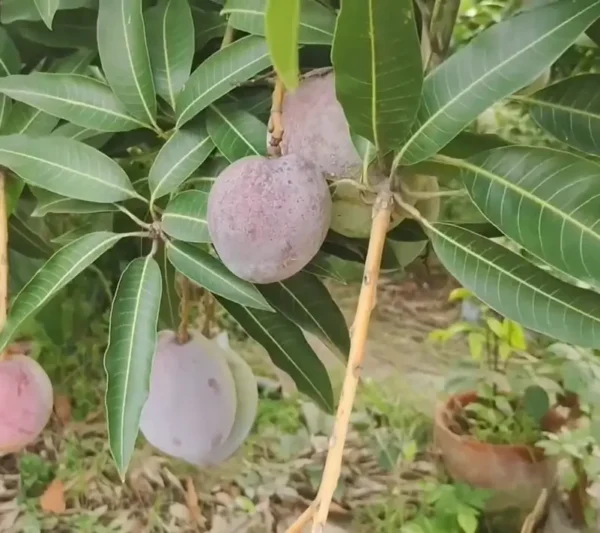
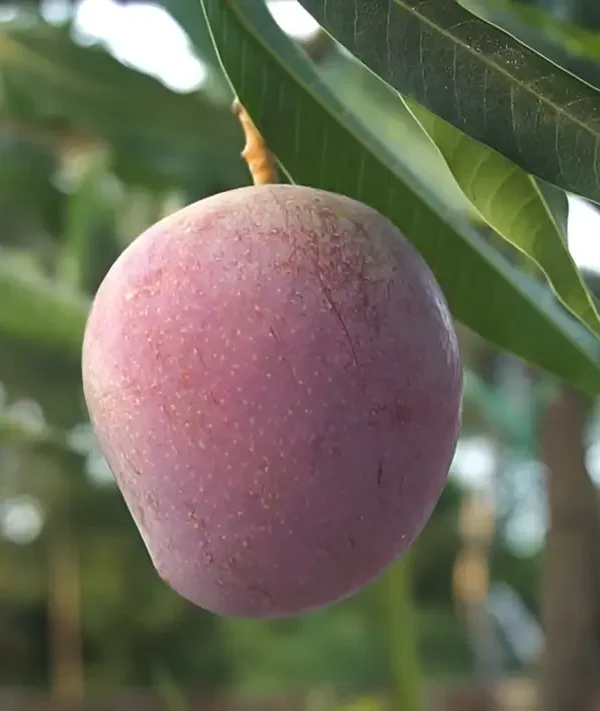
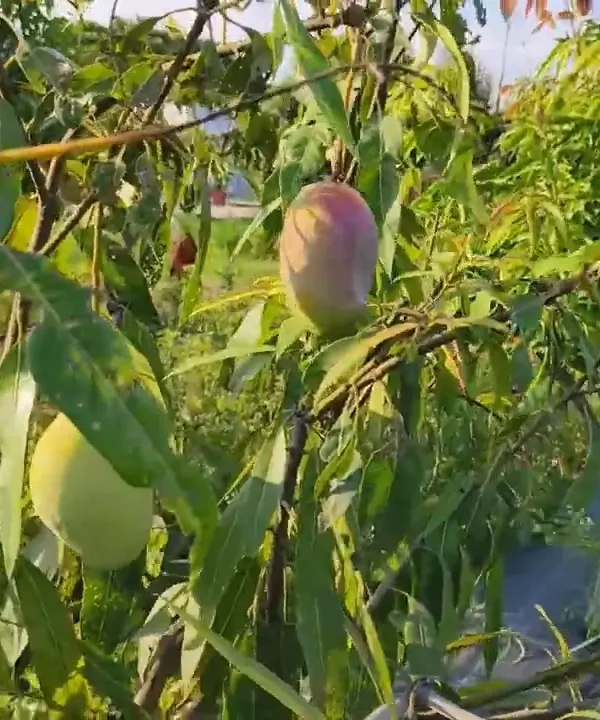
Tommy Atkins is a vigorous mango variety known for attractive red-blushed fruit, firm flesh and reliable growth in warm conditions.
Give it plenty of sun, warmth and room to grow.
Bring a productive mango tree into your garden with a little extra colour. The Tommy Atkins mango plant is known for attractive red-blushed fruit, firm flesh and vigorous growth. Give it plenty of sunlight, warmth and well-draining soil, and you’ll have a rewarding fruit tree to enjoy as it matures.
| Light | Full sun. Aim for a bright, open position with several hours of direct sunlight each day. |
|---|---|
| Water | Water deeply when the upper soil starts to dry. Reduce watering during cooler or very wet periods. |
| Soil | Fertile, well-draining soil is ideal. Avoid places where water remains around the roots after rain. |
| Temperature | Warm conditions are best. Protect young trees from frost and prolonged cold. |
| Fertilizer | Feed during active growth with a balanced fruit-tree fertilizer, following the product directions. |
| Growth | Vigorous. Allow plenty of room or prune regularly if you want a more compact tree. |
| Difficulty | Moderate. Straightforward in a suitable warm climate, but fruiting takes time and good growing conditions. |
You’ll receive a live mango plant carefully prepared for its journey to you. Because it’s a living plant, the exact height, number of leaves and shape can vary between batches and seasons.
Check the available product option for the current plant size and pot details. The plant shown in product photographs may also be more mature than the individual plant you receive, so we recommend using the listed dimensions as your buying reference.
If you’re growing a small home orchard, you may also like our other mango and fruit plants, including Kasturi mango plant, Osteen mango grafted, and Miyazaki Red Japanese grafted variety.
This is a vigorous tree, not a small tabletop fruit plant. Give it enough space to develop and use pruning to control its height and shape when necessary. After delivery, a little leaf movement or minor stress can happen while the plant adjusts to its new surroundings. Keep the roots well drained and give it time to settle.
Yes. A sunny position is important for strong growth and gives the tree the best conditions for flowering and fruit development. Avoid a heavily shaded location.
The fruit is generally medium to large, although size varies with the tree’s age, climate, crop load, nutrition and growing conditions. Good sunlight and consistent care can help the tree reach its potential.
A young tree can be grown in a large container, provided it has adequate drainage and enough room for its roots. For long-term growth, planting in the ground is usually the better choice where space and climate allow.
That depends mainly on the plant’s age and whether it is grafted or grown from seed. A grafted plant can generally fruit sooner than a seed-grown tree, but flowering and fruiting still depend on climate, sunlight and overall growing conditions.
Pruning isn’t about forcing growth. It’s mainly useful for shaping the canopy, controlling height and making future harvesting easier. Light, regular pruning is usually more practical than allowing the tree to become difficult to manage.
Give it sun, warmth and good drainage, then let it grow. With the right conditions and a little patience, this mango tree can become a long-term fruiting feature in your garden.
Call us to check availability, price, bulk orders, or get planting advice.
Call Now*Fast Delivery | Secure Packing | Expert Support
Reviews
There are no reviews yet.